Smart Germany Hotel Planning: City Accommodation, Travel and Booking Guide
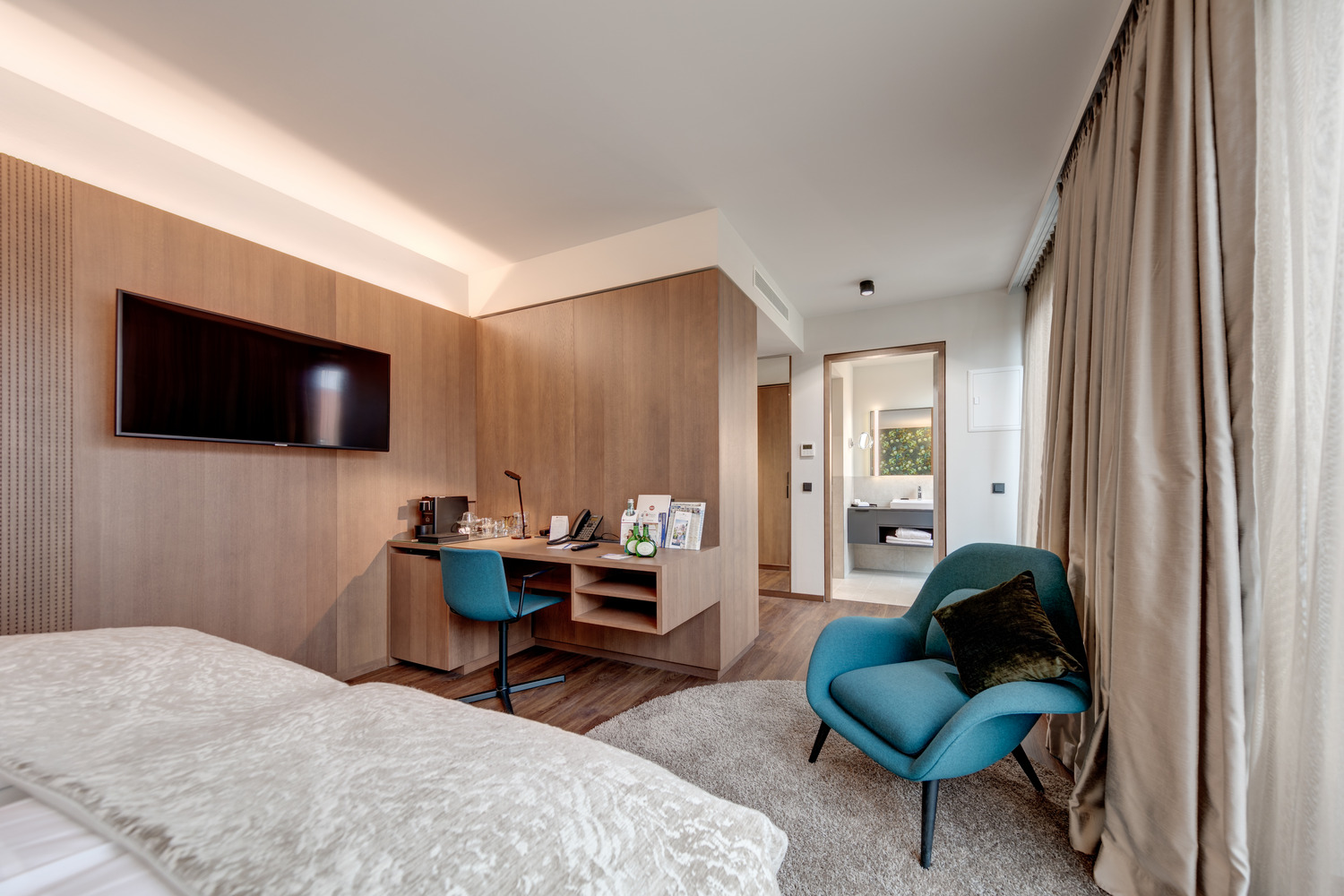
Smart Germany Hotel Planning: City Accommodation, Travel and Booking Guide
This original guide presents a structured approach to hotel planning in Germany, with practical considerations for city stays, business trips, family travel, extended visits, flights, road travel and multi-city itineraries.
A Professional Framework for Choosing Accommodation in Germany
Planning a hotel stay in Germany is most effective when accommodation is treated as part of the complete travel system. Travelers comparing Hotels & Resorts in Germany can evaluate each property through several practical dimensions: location, room configuration, transportation access, booking flexibility, facilities, length of stay and the purpose of the journey. This approach creates a clearer path from a broad search to a small group of suitable properties.
A professional accommodation strategy starts before the hotel search itself. The traveler should first identify the destinations, the number of nights, the main activities and the preferred way of moving between locations. A hotel near a railway station may be highly practical for a multi-city journey, while a property close to a conference venue may be more suitable for a short business visit. A family itinerary may place greater importance on room layout, nearby services and easy transportation.
Germany also provides considerable variety in accommodation style. Urban hotels can be compact and efficient, boutique properties can emphasize design and neighborhood character, business hotels can focus on connectivity and workspaces, while apartment-style accommodation can provide additional space for longer stays. Resorts and leisure properties can be appropriate when the hotel itself forms an important part of the holiday experience.
The central principle is simple: compare a hotel with the itinerary rather than comparing hotels only with one another. A property that looks attractive in isolation may be less convenient when its location, transportation requirements and room configuration are considered in the context of the actual trip.
Hotel Specifications, Functions and Features
| Accommodation Element | Main Function | Practical Features | Typical Use |
|---|---|---|---|
| Central City Hotel | Convenient urban base | Transport access, reception, Wi-Fi, nearby services | City breaks and business visits |
| Business Hotel | Professional accommodation | Workspace, connectivity, meeting areas | Corporate travel |
| Family Hotel | Group-friendly accommodation | Larger rooms, flexible sleeping arrangements, practical facilities | Family trips |
| Boutique Hotel | Distinctive stay | Individual design, smaller scale, neighborhood atmosphere | Leisure and cultural travel |
| Airport Hotel | Flight-oriented overnight stay | Airport access, luggage services, practical arrival arrangements | Early departures and late arrivals |
| Apartment Hotel | Extended accommodation | Living space, storage, selected kitchen facilities | Longer visits |
| Resort Property | Destination-focused leisure stay | Recreation areas, larger grounds, leisure facilities | Relaxation and holidays |
The Importance of Hotel Location in Germany
Location influences the practical value of almost every accommodation choice. A hotel can offer an excellent room, attractive design and useful services, but an inconvenient address may add significant travel time to every day. Conversely, a modest property in a strategic location can make a demanding itinerary easier to manage.
Travelers should identify the places that matter most before selecting the hotel. These may include railway stations, conference venues, museums, shopping districts, business addresses, airports or specific neighborhoods. Once those points are identified, accommodation can be compared according to travel time and transportation convenience.
A practical hotel search therefore asks a series of questions: Where will most of the day be spent? How will the traveler move around? How often will the traveler return to the hotel? Is parking required? Will the itinerary continue to another city? The answers can substantially change the accommodation shortlist.
Hotels in Berlin: Building a Well-Organized City Stay
Berlin Accommodation Strategy
Travelers comparing Hotels in Berlin can begin by mapping the main activities for the visit. Berlin is geographically extensive, so the relationship between the hotel and the planned destinations deserves close attention. A location with strong public transportation connections can make it easier to combine historical attractions, cultural venues, business appointments and neighborhood exploration.
Short-stay visitors can prioritize proximity to their most important activities. Travelers staying longer may have more flexibility and can compare a wider selection of districts. The right choice can depend on whether the trip emphasizes museums, architecture, business, shopping, family activities or a mixture of several interests.
Room selection should be aligned with the length of the Berlin visit. A traveler spending one or two nights may prioritize a straightforward, comfortable room, while a longer stay can justify additional seating, storage and workspace. Families should verify the precise sleeping configuration instead of relying only on the maximum occupancy shown in a general description.
Transportation planning should also be considered before the booking is confirmed. Travelers arriving by rail can compare accommodation in relation to relevant stations. Those arriving by air should consider the transfer route from the airport. Visitors using a rental car should add parking availability and road access to the comparison.
For a destination-focused search, travelers can review Hotels in Berlin and organize the shortlist according to location, room type, transportation and booking flexibility.
Hotels in Munich: Accommodation for City Visits and Regional Trips
Munich Accommodation Strategy
When comparing Hotels in Munich, travelers can first determine whether the itinerary is primarily urban, professional or regional. Munich can serve as a base for city sightseeing as well as a starting point for trips beyond the metropolitan area, and those two uses can lead to different hotel requirements.
For a city-focused itinerary, proximity to public transportation and central destinations can be particularly useful. For regional exploration, access to major roads and practical parking may become more important. Business travelers can additionally prioritize a quiet room, reliable connectivity and a suitable workspace.
Families can evaluate Munich accommodation according to room capacity, sleeping arrangements, storage and access to everyday services. Travelers staying for several nights may want more living space, while short visits can place greater emphasis on location and ease of arrival.
A professional comparison should also consider how often the traveler will change locations. If Munich is one stop in a larger itinerary, a hotel near a useful transportation connection can simplify the next stage of the journey. If Munich is the main destination, neighborhood character and proximity to planned activities can receive greater attention.
The dedicated Hotels in Munich destination page can be used as a starting point for a city-specific accommodation search while keeping the itinerary at the center of the decision.
Hotels in Hamburg: Combining Practical Access With Neighborhood Choice
Hamburg Accommodation Strategy
Travelers researching Hotels in Hamburg can compare properties according to the balance between sightseeing, business requirements, transportation and neighborhood atmosphere. Hamburg offers a variety of urban environments, so the hotel address should be considered alongside the daily schedule rather than treated as a separate detail.
For a short leisure visit, convenient access to major attractions can reduce travel time. For professional travel, proximity to meeting locations and transport connections may take priority. Longer stays can justify considering neighborhoods that offer more everyday services and a comfortable local environment.
Room design matters when the hotel is used for more than sleeping. A traveler working remotely may need a practical desk, while a family may need sufficient floor space and storage. Guests staying for several nights can benefit from seating areas that make the room more adaptable during the day.
Hamburg can also be part of a wider itinerary. Travelers continuing by rail, road or air should consider how easily the hotel connects with the next destination. This is one reason why transportation planning should take place at the same time as accommodation research.
A focused search through Hotels in Hamburg can help organize options around the specific requirements of the trip rather than around generic hotel categories.
Hotels in Frankfurt: Efficient Accommodation for Business and Transit
Frankfurt Accommodation Strategy
Travelers comparing Hotels in Frankfurt often have practical requirements connected to business travel, rail connections or air travel. Frankfurt can function as a destination in its own right or as one part of a broader Germany itinerary.
A short business trip may benefit from accommodation close to the primary meeting location or a strong transportation connection. Travelers with early departures can evaluate airport access, while leisure visitors may prefer accommodation that makes central exploration straightforward.
For professional stays, workspace and internet access can become central considerations. A suitable desk, comfortable chair and quiet environment can help travelers manage work between meetings. Transportation should be assessed according to the complete schedule when appointments take place in different areas.
For multi-city itineraries, the hotel can be evaluated as part of the transition between destinations. A property that simplifies the arrival and departure process can be valuable even when it is not located immediately beside every attraction.
Travelers can use Hotels in Frankfurt as a starting point for comparing accommodation according to business, leisure and transportation requirements.
Choosing Between Business, Boutique, Family and Extended-Stay Hotels
Hotel labels provide a useful starting point, but they should not replace a detailed comparison. A business hotel may offer a strong working environment, yet a boutique property could also meet the same requirements if it provides the necessary connectivity and location. Likewise, a family hotel can be useful for groups, but the room configuration should still be verified before booking.
Business travelers often prioritize predictable routines. They may value fast internet, a practical work surface, convenient transportation and flexible arrival arrangements. The ideal room is one that supports both work and rest without creating unnecessary logistical steps.
Families can focus on sleeping arrangements, room capacity, storage, breakfast logistics and transportation. A property near public transport can simplify sightseeing when several attractions are planned during a single day.
Extended-stay travelers should pay more attention to space and daily functionality. Kitchen facilities, laundry access, storage and comfortable seating can become much more important after several nights than they would be during a brief visit.
Planning Flights and Hotels Together
Hotel research becomes more efficient when it is coordinated with Flights to Germany. Arrival and departure times can affect the most practical hotel location, the number of nights required and the preferred transportation method.
An early departure can make airport access a significant factor. A late arrival can create a need for clear reception arrangements or luggage services. Travelers should compare these details before completing the accommodation booking instead of discovering a scheduling conflict after payment.
The same principle applies to multi-city travel. If a traveler arrives in one city and continues by rail the following morning, accommodation near an appropriate station may reduce unnecessary transfers. If the final night is followed by an early flight, airport access may become more valuable.
Flight and hotel decisions should therefore be viewed as connected parts of the same itinerary. The goal is not simply to secure two separate bookings, but to create a sequence in which arrival, accommodation and departure fit together smoothly.
After identifying suitable arrival and departure times, travelers can continue comparing Flights to Germany alongside accommodation and ground transportation arrangements.
Car Rentals and Hotel Planning for Road-Based Itineraries
Travelers planning regional journeys can compare Car rentals in Germany together with hotel locations. A rental vehicle can be useful for destinations that are spread across a wider area, but it changes the hotel requirements because parking, road access and vehicle handling become relevant.
Before booking a hotel for a driving itinerary, check whether parking is available and whether an additional charge applies. It is also useful to determine whether the property is easy to enter and leave by car, particularly in dense urban areas.
In some itineraries, a mixed transportation strategy can be practical. A vehicle may be useful for a regional portion of the trip and less useful during several days in a dense city. Returning the vehicle before the urban segment can reduce the need to organize parking at every hotel.
The correct transportation strategy depends on the itinerary. Travelers should identify where driving provides meaningful flexibility and where public transportation can handle daily movement efficiently.
For road-based planning, Car rentals in Germany can be considered alongside hotel parking and route requirements.
How to Evaluate Hotel Rooms Like a Professional
A professional room comparison goes beyond the room name. Travelers should check the number and type of beds, occupancy, approximate size where available, workspace, seating, storage and bathroom arrangement. These factors determine whether a room will actually support the traveler’s needs.
Lighting can be relevant for both leisure and professional stays. A room with several lighting options can be more adaptable throughout the day. Travelers working in the room should also check whether the desk and chair are suitable for sustained use.
Storage becomes increasingly important during longer visits. A room can appear spacious in photographs but feel less practical when multiple bags are present. Families and extended-stay guests should pay particular attention to this point.
The bathroom configuration should also be considered according to the number of occupants. A room that works comfortably for one person may require a different arrangement for a larger group.
Hotel Amenities: Focus on Practical Value
Hotel listings can contain dozens of amenities, but the most useful feature is the one that directly supports the traveler. Reliable internet can matter to professionals. Parking can matter to drivers. Breakfast can simplify family mornings. A quiet room can matter to almost anyone staying several nights.
Instead of selecting a hotel because it has the longest amenity list, travelers can identify the three to five facilities that have genuine importance for the trip. This makes the comparison clearer and prevents decorative or rarely used features from dominating the decision.
Leisure facilities can become more important when travelers expect to spend significant time at the property. In a short city break, however, location and room comfort may be more influential because most of the day is spent outside the hotel.
Booking Flexibility and Reservation Conditions
Booking conditions deserve careful attention because the cheapest displayed rate is not necessarily the most suitable option. Travelers should examine cancellation terms, payment timing, modification rules, check-in requirements and any additional charges before confirmation.
Flexibility can be especially valuable when flights, meetings or transportation arrangements are not completely fixed. A rate with clearer modification conditions may be useful when the itinerary could change.
Travelers should also keep the confirmation details in an accessible place. The hotel address, check-in time, reservation reference and contact details can be useful during airport transfers and arrival.
Family Accommodation Planning
Family travel requires a more detailed room assessment because several people need to share the same accommodation. The listed maximum occupancy should be treated as a starting point rather than a complete description of comfort.
Parents can check bed configuration, room size, storage, bathroom layout and access to transportation. A location near a convenient public transport connection can make a multi-attraction day easier to manage.
Breakfast and nearby everyday services can also influence the daily routine. When traveling for several days, supermarkets and other practical services may be more valuable than staying immediately beside a major tourist attraction.
Business Accommodation Planning
Business travelers can organize hotel research around the work schedule. Start by identifying meeting locations and the expected working hours. Then compare hotel areas according to commuting time and transportation connections.
The room should support practical work. A stable internet connection, usable desk, suitable chair, adequate lighting and accessible power outlets can all matter when the hotel becomes a temporary workspace.
Arrival and departure schedules are also important. A late arrival after a business event or an early departure for a flight may require different hotel logistics from a standard leisure itinerary.
Extended Stays and Apartment-Style Accommodation
Longer visits change the meaning of comfort. A room that is perfectly adequate for a weekend may feel restrictive after a week. Travelers staying for extended periods can therefore consider additional living space, kitchen facilities, laundry access and storage.
Neighborhood selection also becomes more important. Everyday services, supermarkets, transport connections and a comfortable local environment can contribute significantly to the quality of a longer stay.
Travelers working remotely for an extended period should evaluate the room as a complete working environment rather than simply as a sleeping space.
Seasonal and Event-Based Hotel Planning
Accommodation demand can change according to travel seasons, major events and local business activity. Travelers with fixed dates can benefit from researching options early enough to maintain flexibility in location and room type.
Seasonal planning should also reflect the nature of the trip. A city-focused winter visit can have different accommodation priorities from a summer regional road trip. Travelers should identify the facilities that support the activities planned for that period.
When dates are connected to a conference, exhibition or scheduled event, transportation distance from the venue may deserve special attention because commuting time can become a repeated part of the daily schedule.
A Professional Hotel Comparison Method
Five-Point Comparison Method
- Location: Compare the address with the actual itinerary.
- Room: Verify occupancy, beds, size, workspace and storage.
- Transportation: Review rail, public transport, airport and road access.
- Policies: Check cancellation, payment and arrival conditions.
- Total practicality: Consider whether the property supports the entire trip.
This method creates a repeatable process that can be applied across German cities. It also reduces the tendency to select accommodation based solely on photographs, star categories or a single headline price.
Preparing Before the Hotel Booking Is Finalized
Before confirming a reservation, travelers can perform a final verification of the address, dates, guests, room category and booking conditions. If transportation is important, check the actual route between the hotel and the airport, railway station or primary activity area.
Drivers should verify parking. Families should verify room configuration. Business travelers should verify workspace and connectivity. Travelers with accessibility requirements should confirm the specific facilities they need rather than relying on broad accessibility labels.
This final review can prevent many common accommodation problems and ensures that the selected hotel remains aligned with the original travel plan.
Frequently Asked Questions About Planning Hotels in Germany
What is the most important factor when choosing a hotel in Germany?
The answer depends on the itinerary, but location is usually a foundational factor because it affects daily transportation, access to activities and the time required to move around.
How should I compare Hotels in Berlin?
Compare the address, transportation connections, room configuration, booking conditions and proximity to the activities that matter most during your stay.
What should I look for in Hotels in Munich?
Consider whether the trip is urban, business-focused or regional, then compare transportation, room comfort, parking and proximity to planned destinations.
What matters when choosing Hotels in Hamburg?
Consider neighborhood, transportation, room requirements, business access and the relationship between the hotel and the main activities on the itinerary.
What should I check when booking Hotels in Frankfurt?
Check meeting locations, airport and rail access, room facilities, workspace and arrival or departure schedules.
Should families choose a hotel in the city center?
Not necessarily. A quieter neighborhood with strong transportation connections can sometimes be more practical, depending on the itinerary.
When is an airport hotel useful?
It can be practical for very early departures, late arrivals or short transit stays, while longer city visits may be better served by central accommodation.
Do I need a rental car in Germany?
It depends on the route. A rental vehicle can be useful for regional travel, while public transportation may be more practical for some urban itineraries.
What should drivers check before booking a hotel?
Confirm parking availability, fees, reservation requirements, road access and whether the vehicle will be useful during the city portion of the trip.
What makes a hotel suitable for business travel?
Useful factors include reliable internet, a practical workspace, transportation access, clear check-in arrangements and a room environment suitable for focused work.
What makes a hotel suitable for an extended stay?
Additional space, storage, laundry access, kitchen facilities where needed, comfortable seating and nearby everyday services can become more valuable over time.
How should I coordinate flights and hotels?
Compare arrival and departure times with hotel check-in and checkout, then evaluate airport access and the transportation route between the hotel and airport.
How can I reduce unnecessary travel during a city break?
List the primary activities first and choose accommodation near those areas or near efficient transportation connections.
Are boutique hotels suitable for families?
They can be if the room configuration, occupancy, transportation and practical facilities meet the family’s requirements.
What should I check about cancellation policies?
Review the deadline, payment conditions, modification rules and whether the selected rate has different flexibility from other available rates.
Is breakfast important when selecting a hotel?
It depends on the itinerary. Breakfast can simplify busy mornings, especially for families and business travelers, but it may be less important for guests who prefer nearby options.
How should I choose a room category?
Compare the actual beds, occupancy, room size, workspace, storage and bathroom arrangement rather than relying only on the room title.
How many hotels should I compare?
A small shortlist is generally easier to evaluate than a very large list. Eliminate unsuitable locations and missing essential features before making detailed comparisons.
Should I change hotels frequently during a multi-city trip?
Hotel changes can be useful when destinations are far apart, but unnecessary changes can consume time. Several consecutive nights in one property can simplify the schedule.
What should I do if my arrival is outside standard check-in hours?
Review the property’s arrival procedures before booking and confirm whether late arrival instructions or alternative access arrangements are available.
A Practical Final Checklist for Germany Accommodation
- Define the destination and dates.
- Identify the main purpose of the trip.
- List the essential room requirements.
- Map the primary daily destinations.
- Compare transportation access.
- Review parking when using a vehicle.
- Coordinate hotel plans with flights.
- Check cancellation and payment conditions.
- Verify occupancy and bed configuration.
- Save confirmation details and arrival instructions.
The broader accommodation search can begin with Hotels & Resorts in Germany, then narrow to specific destinations such as Berlin, Munich, Hamburg or Frankfurt. Transportation planning can be integrated through Car rentals in Germany and Flights to Germany.
For city-specific planning, travelers can compare Hotels in Berlin, Hotels in Munich, Hotels in Hamburg and Hotels in Frankfurt. The goal is to create a coherent itinerary in which the accommodation supports the destinations, schedule and transportation method.
Neighborhood Research Before Selecting a German Hotel
Neighborhood research is an important part of professional accommodation planning because a hotel address describes more than a point on a map. The surrounding streets influence the daily rhythm of a trip, including access to transportation, shops, restaurants, business addresses, cultural venues and practical services. Travelers who spend a few minutes understanding the area around a property can often make a more informed comparison than travelers who focus only on the hotel building itself.
One useful technique is to identify the nearest transportation connection and then estimate how it fits the planned itinerary. A short walk to a station can be more useful than a slightly lower room rate at a property that requires several transfers. The same principle applies to travelers who intend to walk between attractions. A hotel positioned near several planned activities can reduce the number of daily journeys and create more flexibility in the schedule.
Neighborhood research is also useful for extended stays. A traveler staying for one night may not need many everyday services, but someone staying for a week can benefit from supermarkets, pharmacies, cafés, parks and convenient public transportation nearby. This is especially relevant for families and remote workers, whose daily routines extend beyond sightseeing.
When comparing Hotels & Resorts in Germany, travelers can therefore consider the property and its surroundings as one combined accommodation proposition. This creates a more realistic understanding of what the stay will be like from arrival through departure.
Arrival Logistics and the First Night
The first night of a trip deserves special attention because travelers may arrive after a long flight or rail journey. Complicated transfers, unclear check-in instructions or a distant hotel can make the beginning of an itinerary unnecessarily difficult. A professional plan considers the first night separately from the rest of the trip when the arrival schedule is unusual.
For late arrivals, travelers should review reception arrangements and determine whether the property has a clear procedure for arrivals outside standard hours. For early arrivals, luggage storage can be useful when the room is not yet available. These details are small, but they can have a significant effect on the practical experience of the first day.
Airport access should also be evaluated according to the exact arrival airport rather than a general assumption that the hotel is “near” an airport. Travelers should consider the available transportation method, approximate journey complexity and the amount of luggage involved. If the itinerary begins with a domestic connection, railway transfer or rental vehicle, the first hotel may need to be positioned differently.
Travelers arranging Flights to Germany can coordinate the first-night hotel with the arrival schedule instead of making the hotel reservation independently. This can help create a smoother transition from transportation to accommodation.
Planning the Last Night Before Departure
The final night can be just as important as the first. An early departure may require a hotel that provides straightforward access to the airport or a transportation connection that operates at the required time. If the flight is later in the day, travelers may prefer to remain in a central neighborhood and use luggage storage after checkout.
The right choice depends on the amount of time available and the distance between the hotel and the airport. Travelers should avoid assuming that a short geographical distance automatically means a short or simple journey. The route, transportation schedule and luggage requirements all contribute to the actual convenience of the final hotel night.
For travelers using a rental vehicle, the final hotel should also be coordinated with the vehicle return location. Returning a car at the airport can make an airport-area hotel practical, while returning it in the city may support a final urban stay without requiring a vehicle after arrival.
A well-structured itinerary can therefore treat the final night as a logistics decision rather than simply another hotel night. This approach can be especially useful for multi-city journeys that end in a different destination from the city where the trip began.
Accommodation for Couples and Leisure Travelers
Leisure travelers and couples often evaluate accommodation differently from business visitors. Atmosphere, neighborhood character, room design, walkability and proximity to cultural attractions may become more important. However, practical details such as transportation and booking flexibility still deserve attention.
A hotel can contribute to the character of a leisure trip when its design and surroundings match the purpose of the visit. Travelers interested in architecture may appreciate distinctive buildings or interiors, while those seeking a quieter experience may prefer accommodation away from the busiest streets.
For a short romantic or leisure break, convenience can be particularly valuable because there are fewer days available to explore the destination. A strategically positioned hotel can make it easier to return to the room between activities or to explore different parts of the city without spending excessive time in transit.
Travelers can compare Hotels in Berlin with these leisure priorities in mind, paying attention to neighborhood atmosphere, room comfort and access to the planned activities rather than using a generic checklist.
Accessibility and Specific Accommodation Requirements
Travelers with specific accommodation requirements should verify details before booking. General labels can provide an initial indication, but the exact room and building configuration are more useful when a particular feature is essential.
Relevant questions can include whether the building has step-free access, whether an elevator reaches the required floor, whether the bathroom configuration meets the traveler’s needs and whether the room provides sufficient maneuvering space. If a particular feature is essential, confirming it directly with the property can be preferable to relying on a broad category.
The same principle applies to travelers with other specific needs, such as a quiet room, additional bedding, a particular workspace or special arrival requirements. Documenting these needs before the booking makes it easier to compare properties consistently.
When evaluating Hotels in Munich, for example, travelers can add their specific accommodation requirements to the normal comparison of location, transportation and room category.
Organizing Hotel Information Before the Trip
Good information management can make a hotel reservation much more useful during the actual journey. Travelers can keep the hotel name, address, confirmation details, check-in time, transportation route and contact information together in an itinerary. This reduces the need to search through multiple messages or documents after arrival.
It can also be useful to note whether breakfast, parking or other selected services were included in the reservation. Keeping these details accessible helps travelers distinguish between included services and optional services that may have separate conditions.
For multi-city trips, the same structure can be repeated for every hotel. The result is a simple travel record that shows where the traveler is staying, how they will arrive, what time they can check in and where they will travel next.
Travelers planning a northern Germany itinerary can organize the same information while comparing Hotels in Hamburg, particularly when the city is one stage in a larger rail or road journey.
Making the Most of a Hotel Search Without Overcomplicating It
Professional planning does not require an enormous spreadsheet or dozens of filters. The objective is to create a manageable shortlist that contains properties capable of satisfying the essential requirements. Once unsuitable options are removed, the final comparison becomes much easier.
A useful shortlist can contain properties representing slightly different approaches. One may have the most convenient location, another may offer additional room space, and another may provide practical parking or transportation access. Comparing these options against the same criteria helps reveal the trade-offs without relying on a single headline feature.
Travelers should also remember that hotel selection is only one part of the journey. A property that fits the accommodation requirements should still be checked against the transportation plan, arrival time and daily itinerary. This final cross-check is particularly valuable when the trip involves several German cities.
For business-oriented itineraries, Hotels in Frankfurt can be compared using the same structured approach: identify the main destinations, evaluate transportation, verify room functionality and review the reservation conditions before confirmation.
When road travel forms a substantial part of the itinerary, the accommodation search can also be coordinated with Car rentals in Germany so that hotel parking and route access are considered at the same stage as the vehicle plan.
Planning principle: the most useful accommodation choice is the one whose location, room, facilities, policies and transportation connections fit the actual itinerary.
Comments
Post a Comment