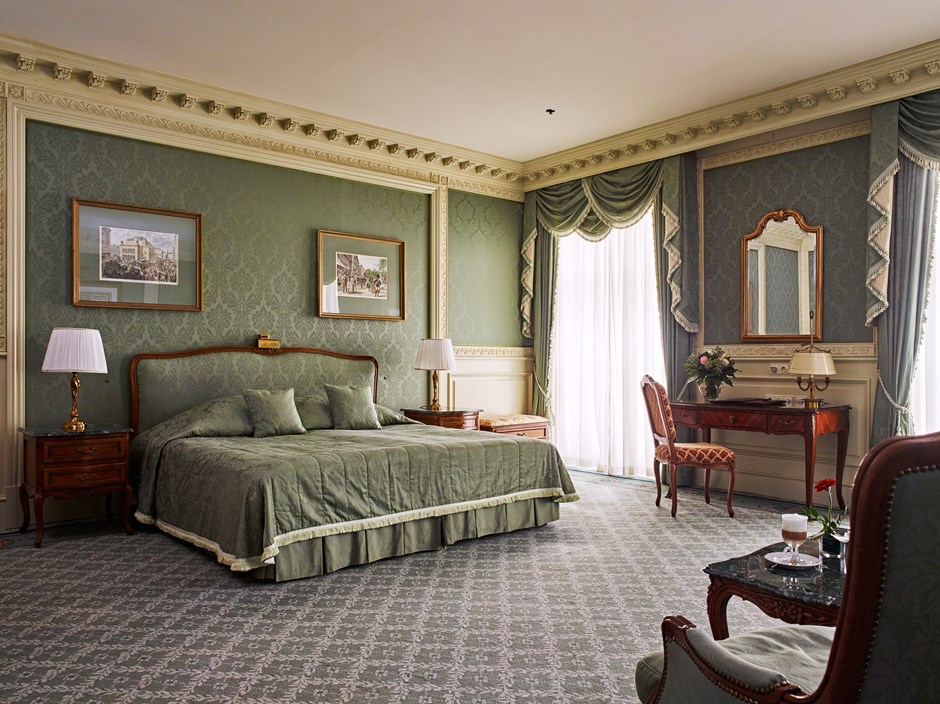
A Professional Guide to Choosing Hotel Rooms, City Stays and Alpine Accommodation in Austria
Understanding What Makes an Austrian Hotel Stay Work
Choosing accommodation in Austria involves more than comparing nightly prices. The most effective hotel selection considers location, room configuration, transportation, daily schedule, architectural character, available facilities, and the relationship between the hotel and the purpose of the trip. Austria offers an unusually broad range of accommodation environments, from sophisticated urban properties to compact guesthouses, modern design hotels, historic buildings, family-oriented establishments, and mountain retreats.
The right accommodation can reduce unnecessary travel time and make the entire itinerary easier to manage. A centrally located hotel may be useful for travelers planning museums, architecture, shopping streets, and evening walks, while an alpine property may be more appropriate for visitors whose schedule revolves around landscapes, mountain excursions, and outdoor activities. Travelers comparing Hotels & Resorts in Austria can therefore begin with the structure of the trip rather than selecting a property simply because its photographs look attractive.
Accommodation should also be viewed as a practical base. The best room for a short city break may not be the same room that works for a week-long family holiday. A business traveler may prioritize a quiet desk, dependable internet access, and efficient transport connections, whereas a couple may place greater emphasis on room atmosphere, natural light, spacious bathrooms, and views.
Core Hotel Specifications to Examine Before Booking
| Specification |
What to Examine |
Why It Matters |
| Room Size |
Floor area, layout, seating space, luggage area |
Affects comfort during short and extended stays |
| Bed Configuration |
King, queen, twin, sofa bed, family configuration |
Determines sleeping flexibility and overall room usability |
| Bathroom |
Shower, bathtub, double basin, ventilation, storage |
Important for daily comfort and longer stays |
| Workspace |
Desk, chair, lighting, power outlets and connectivity |
Useful for business travelers and remote work |
| Climate Control |
Heating, cooling, ventilation and individual controls |
Supports comfort across changing seasons |
| Location |
City center, station access, attractions and neighborhood |
Can significantly influence daily travel time |
| Storage |
Wardrobe, drawers, luggage rack and hanging space |
Particularly useful for longer visits |
| Breakfast |
Availability, serving hours and booking conditions |
Helps structure mornings and sightseeing schedules |
Room photographs should be interpreted carefully. A wide-angle image can make a room appear larger than it is, while carefully staged furniture can hide limitations in storage or circulation space. Professional hotel research should therefore combine visual inspection with written room descriptions and, when available, floor plans.
Six Features That Can Transform a Hotel Room
1. Natural Light
Large windows can make a room feel more spacious and can improve the atmosphere throughout the day. Window direction, curtains, surrounding buildings, and the actual view should be considered rather than simply counting windows.
2. Functional Layout
A well-planned room separates sleeping, sitting, working, and storage zones without making the space feel crowded. Logical furniture placement can be more valuable than decorative features.
3. Quality Bedding
A supportive mattress, suitable pillow options, clean linens, and adequate bedside lighting contribute directly to the usefulness of the room after a full day of travel.
4. Practical Bathroom Design
Good bathroom design includes sufficient counter space, storage, effective lighting, and an easy-to-use shower or bathtub configuration.
5. Convenient Connectivity
Reliable Wi-Fi, accessible electrical outlets, bedside charging, and a functional workspace are increasingly important for modern travelers.
6. Acoustic Comfort
Room placement can affect sleep and concentration. Guests should consider proximity to elevators, busy streets, public spaces, service areas, and other potential sources of noise.
Planning a Vienna Hotel Stay Around the City Layout
Vienna presents a distinctive accommodation landscape because different districts offer different relationships with cultural attractions, transportation, shopping, restaurants, and residential neighborhoods. Travelers comparing Hotels in Vienna should first decide whether their itinerary depends on walking access, public transportation, a quieter residential setting, or proximity to major railway connections.
For a first city visit, central accommodation can simplify the schedule because several major attractions and historic areas can be approached without long daily transfers. However, a hotel farther from the central tourist areas may offer a different atmosphere and potentially more room options. The important point is to compare the actual location against the planned itinerary rather than treating the city center as the only meaningful criterion.
Room selection in Vienna can also reflect the character of the building. Historic properties may feature high ceilings, traditional decorative details, large windows, and classic furnishings. Contemporary hotels may instead emphasize minimalist furniture, efficient lighting, modern bathrooms, and flexible work areas. Neither approach automatically determines comfort; the useful question is whether the design supports the traveler's daily routine.
Travelers staying for several nights should examine storage carefully. A beautifully photographed room can become inconvenient when luggage, coats, shopping bags, and electronic equipment accumulate. A wardrobe with proper hanging space and a dedicated luggage area can have a surprisingly large impact on the practical experience of the stay.
Planning principle: Match the hotel location to the activities that will happen most frequently, not merely to the first attraction listed in a guidebook.
How to Evaluate a Vienna Room Before Reserving
Begin with the floor area and room category. Do not assume that two rooms with similar names have identical dimensions. Deluxe, superior, executive, and premium categories can vary considerably between properties. Examine whether the stated room size includes the bathroom and whether the listed configuration is based on a single occupancy or maximum occupancy.
Next, examine the window arrangement. A room with one large window can have a very different atmosphere from a room with several smaller windows. Natural light can also change substantially depending on the surrounding buildings and floor level. If the view is important, check whether the property explicitly identifies rooms with city, courtyard, garden, landmark, or street views.
The bathroom deserves equal attention. Travelers often concentrate on the bedroom photograph while overlooking the bathroom plan. A compact bathroom may be perfectly practical for a short stay, while longer visits can benefit from additional storage, a larger vanity, and separate shower facilities.
Salzburg Accommodation and the Importance of Atmosphere
Salzburg has a different accommodation profile from Vienna. Its historic character, compact central areas, and surrounding landscape create strong demand for properties that combine convenient access with distinctive architectural atmosphere. Travelers exploring Hotels in Salzburg should compare the location of the property with the exact pace of the itinerary.
A visitor planning mostly walking-based sightseeing may value a hotel close to the historic center. Another traveler may prefer a quieter property outside the busiest streets, particularly if the purpose of the visit includes landscape photography, day trips, or a slower schedule.
Room design in Salzburg frequently benefits from a balance between traditional and contemporary influences. Wooden elements, soft textiles, warm lighting, and views toward historic streets or surrounding landscapes can create a strong sense of place. However, decorative character should not replace practical evaluation. A room can have beautiful architecture and still be inconvenient if there is inadequate storage or poor lighting at the desk.
For travelers staying multiple nights, breakfast timing can also matter. Early departures for day trips may make flexible breakfast arrangements particularly useful. Conversely, guests following a relaxed city schedule may appreciate a longer breakfast window that does not require an early start.
Choosing a Salzburg Room for Different Travel Styles
Historic City Explorer
A traveler concentrating on museums, architecture, old streets, and cultural attractions may prefer a central room with convenient pedestrian access. A compact but efficiently designed room can work well when most of the day is spent outside.
Landscape-Oriented Traveler
Guests interested in scenery may assign greater value to balconies, larger windows, upper-floor rooms, or properties positioned toward open views. In this case, the view can be considered a functional part of the accommodation experience.
Extended-Stay Traveler
For longer visits, storage, seating, workspace, bathroom organization, laundry access, and breakfast flexibility become increasingly important. A slightly larger room can offer greater practical value than a highly decorated compact room.
Innsbruck Hotels and the Relationship Between Room and Landscape
Innsbruck creates a different accommodation decision because the mountains are not simply a distant attraction; they form part of the visual identity of the city. Travelers comparing Hotels in Innsbruck can therefore consider both urban convenience and access to alpine environments.
A hotel near the historic center may be useful for travelers who want architectural sightseeing, museums, shopping, and restaurants within easy reach. A property positioned toward the edges of the city can provide a different experience, particularly when the surrounding landscape is an important part of the itinerary.
When comparing mountain-facing rooms, look beyond the word “view.” A mountain view may mean a direct panorama, a partial view between buildings, a distant glimpse, or a view that changes dramatically according to the floor and orientation. If the scenery is a major reason for selecting a particular room category, the precise description should be examined carefully.
Balconies can also be useful, but their practical value depends on season and weather. A balcony may become an important outdoor seating area during comfortable weather, while during colder periods the window itself may be the more important feature.
Room Planning for Alpine Trips
Alpine travel often involves more equipment than a conventional city break. Coats, footwear, daypacks, technical clothing, and other travel items require practical storage. A room that looks elegant but has limited floor space can become difficult to use when several bulky items are introduced.
Entry areas deserve particular attention. A useful entrance can provide hooks, shelving, seating, and enough floor space to organize outerwear. This is especially helpful during colder seasons when guests may need to manage multiple layers before entering the main bedroom area.
Drying arrangements are another practical consideration. Travelers participating in outdoor activities may benefit from designated areas for damp clothing and footwear. Hotel descriptions do not always emphasize these details, so guests may need to examine facilities and policies carefully before booking.
Graz Accommodation for a More Flexible City Experience
Graz offers a different urban rhythm and a broad accommodation mix. Official tourism information describes options ranging from hotels in the old town to design properties, bed-and-breakfast accommodation, apartments, and other lodging formats. :contentReference[oaicite:0]{index=0}
Travelers researching Hotels in Graz should consider whether the accommodation is intended primarily as a base for walking around the historic center or as a quieter location for a broader regional itinerary.
The room itself should be evaluated according to the length and purpose of the stay. A compact city room may be sufficient for one or two nights, particularly when the daily schedule is full. An apartment-style room may become more practical for a longer visit because separate living and sleeping zones can reduce the feeling of limited space.
Graz can also work well as part of a multi-city Austrian itinerary. When moving between cities, luggage management becomes an important consideration. Hotels with efficient check-in procedures, convenient transportation access, luggage storage, and clear arrival instructions can make transitions considerably easier.
Comparing City Hotels With Resort-Style Accommodation
City hotels and resort properties should not be evaluated using exactly the same criteria. In a city hotel, guests often spend most daylight hours outside the property. The most valuable features may therefore include location, transportation, quietness, breakfast timing, workspace, and room efficiency.
A resort-style property can function differently. Guests may spend substantial periods inside the property, making common areas, wellness facilities, gardens, terraces, views, dining facilities, recreational areas, and larger room configurations more relevant.
Travelers browsing Hotels & Resorts in Austria should therefore define the accommodation role before comparing individual properties. Is the hotel simply a place to sleep between excursions, or is it part of the destination experience itself? The answer changes the features that deserve the greatest attention.
Transportation Planning Before Choosing the Hotel
Transportation should be evaluated before finalizing accommodation rather than afterward. Austria has established rail connections between major cities, and the national tourism organization provides current information about intercity rail travel. For example, its current guidance lists Vienna to Salzburg at under two and a half hours by Railjet and Salzburg to Innsbruck at under two hours. :contentReference[oaicite:1]{index=1}
For travelers building a multi-city itinerary, the hotel should be compared against the relevant railway station and planned departure times. A room in a central area may be convenient for sightseeing but less convenient if an early train requires a long transfer across the city.
Those planning driving-based trips can also examine Car rentals in Austria as part of the overall accommodation strategy. Parking availability, garage height restrictions, charging facilities where relevant, and access roads can matter when a rental vehicle is involved.
A hotel that appears close to a destination on a map may still involve complicated access for a car. Narrow historic streets, pedestrian zones, one-way systems, and restricted access can affect arrival logistics. When driving is central to the itinerary, accommodation descriptions should be checked for practical vehicle access rather than distance alone.
Planning Flights and the First Night of the Trip
International travelers can use Flights to Austria when building the arrival portion of the itinerary. The first hotel night should then be evaluated according to arrival time, airport transfer requirements, luggage volume, and the desired pace after a long journey.
A late arrival may make a simple, conveniently accessible room more valuable than an elaborate property located farther from the airport. Conversely, an early arrival followed by a full sightseeing day may justify a centrally positioned hotel where the traveler can begin exploring without a complicated transfer.
Departure planning deserves the same attention. If the final night precedes an early flight or train, transportation reliability and proximity can become more important than the decorative character of the room.
How to Compare Hotel Locations Professionally
Location should be measured through several practical dimensions rather than one address. First, identify the primary attractions or activities. Second, identify the transportation points that will be used repeatedly. Third, determine whether the neighborhood provides useful everyday services such as shops, restaurants, pharmacies, and public transport.
Fourth, consider the desired evening atmosphere. A lively central street and a quiet residential neighborhood offer different experiences. Neither is inherently better; the appropriate choice depends on the traveler's schedule and preferences.
Finally, evaluate the walking route itself. Two properties may be the same distance from an attraction while providing very different pedestrian experiences. Terrain, crossings, traffic, stairs, and street layout can influence how practical a route feels.
Hotel Room Design: Why Layout Matters More Than Decoration
Interior design is one of the first elements travelers notice in hotel photographs, but layout determines how successfully the space works. A visually impressive room should still provide clear circulation between the entrance, bathroom, sleeping area, seating, and storage.
Furniture should have a logical relationship with the available floor space. A large bed can create a strong visual center, but if it leaves insufficient room around the sides, the room may become less practical. Likewise, a large sofa can appear luxurious while consuming valuable space that might otherwise be used for luggage or a workspace.
Lighting should also be layered. General ceiling lighting provides overall visibility, while bedside lamps support reading and nighttime movement. Desk lighting should illuminate the working surface without creating harsh reflections on screens.
Color and material choices influence perception. Lighter surfaces can make compact spaces appear more open, while darker materials can create a more intimate atmosphere. Wood, stone, textiles, metal, and glass can also communicate different design identities. The most useful evaluation, however, remains functional: does the room support the activities the guest will actually perform?
Technology and Connectivity in Modern Hotel Rooms
Modern travelers often carry multiple devices, making electrical access a basic practical consideration. A well-planned room should ideally provide accessible outlets near the bed and workspace. USB or USB-C charging can be convenient, but travelers should not assume that every room includes identical charging options.
Internet access should be evaluated in relation to the intended use. Basic browsing requires less capacity than video conferencing, cloud-based work, large file transfers, or extended remote work. Business travelers should also consider whether the room provides a proper chair and desk rather than a decorative table that is unsuitable for extended work.
Smart televisions, digital room controls, electronic safes, and mobile check-in systems can add convenience, but technology should support the stay rather than become the main criterion. Reliable basics remain more important than novelty.
Family-Friendly Room Planning
Families should evaluate sleeping arrangements, floor area, bathroom access, storage, and the possibility of connecting rooms where available. The maximum occupancy listed for a room does not necessarily indicate how comfortable that arrangement will be for several nights.
Families with young children may benefit from rooms that provide enough floor space for movement and luggage organization. A separate sleeping zone can also make evening routines easier when adults remain awake after children go to sleep.
Location matters as well. A central hotel can reduce the need for lengthy daily transfers, while a quieter property may provide a more relaxed atmosphere. The appropriate choice depends on the family's itinerary and transportation method.
Couples and Room Atmosphere
Couples often pay closer attention to atmosphere, views, lighting, seating, and bathroom design. These elements can make the room feel more distinctive without necessarily requiring the largest room category.
A well-designed seating area can be particularly useful because it creates an alternative to sitting on the bed. A comfortable chair near a window can provide a quiet place for reading or enjoying a view, while a small table can make the room more versatile.
Privacy should also be considered. The placement of the bathroom entrance, room door, windows, and seating area can affect how naturally the room functions when two people share the space.
Business Travel and Extended Work Stays
Business travelers should begin with the desk. Is it large enough for a laptop and documents? Is the chair comfortable? Is there sufficient lighting? Are electrical outlets nearby? These practical details often matter more than decorative upgrades.
Noise control is another significant consideration. A room overlooking a busy street may be visually attractive but unsuitable for calls or concentrated work. Likewise, rooms near elevators or heavily used common areas can experience more activity.
For longer work stays, laundry facilities, breakfast hours, storage, fitness facilities, and easy transportation can influence the overall practicality of the hotel. A slightly larger room may also provide a meaningful improvement in day-to-day comfort.
Seasonal Hotel Selection in Austria
Austria's accommodation requirements can change considerably across the year. During colder months, heating, storage for outerwear, boot space, and convenient transportation can become important. During warmer periods, ventilation, air conditioning where provided, shading, and window orientation may deserve more attention.
Mountain destinations require additional seasonal awareness. A property that works well for a summer landscape trip may have different access considerations in winter. Travelers should review seasonal operating schedules and transportation arrangements rather than assuming that every facility operates identically throughout the year.
Urban properties can also feel different according to season. Daylight hours, event calendars, weather, and tourism patterns can influence how much time travelers spend inside the hotel.
Building a Multi-City Austrian Accommodation Plan
A multi-city itinerary can combine Vienna, Salzburg, Innsbruck, and Graz without requiring one hotel to satisfy every travel objective. Instead, each accommodation can be selected according to the character of the city and the activities planned there.
Current Austrian tourism information specifically highlights rail travel as a practical way to connect major destinations, while city combinations can be structured around different travel themes. :contentReference[oaicite:2]{index=2}
One useful strategy is to alternate longer stays with shorter transit-oriented stays. A longer stay in Vienna can provide time for museums and neighborhoods without constant packing, while a shorter stay in another city can focus on its principal cultural and scenic features.
Travelers comparing Hotels in Vienna and Hotels in Salzburg can also examine the total door-to-door journey rather than looking only at the train duration. Hotel-to-station transfers, check-in times, luggage storage, and walking distances all contribute to the real travel time.
What to Look for in Hotel Reviews
Hotel reviews are most useful when they are treated as collections of specific observations rather than simple numerical ratings. Look for repeated comments about room size, noise, cleanliness, staff communication, location, breakfast, transportation, and maintenance.
Recent reviews can be particularly useful because hotel facilities and management practices can change. However, isolated complaints should not automatically be treated as representative. A pattern appearing repeatedly across different dates and guests is more informative than a single unusual experience.
Travelers should also read reviews that match their own room category. A standard room may have different characteristics from a suite, and a property may have multiple buildings or room types with significantly different layouts.
Accessibility and Practical Movement Around the Property
Guests with mobility considerations should examine elevator availability, entrance design, corridor width, bathroom configuration, and step-free routes. Hotel descriptions can sometimes use broad terms such as “accessible” without explaining every physical feature, so specific questions may be necessary before booking.
Even travelers without accessibility requirements can benefit from considering elevator location and building layout. Historic properties may contain architectural features that create unusual room configurations, while modern hotels may have long corridors or multiple building sections.
Storage: The Overlooked Hotel Feature
Storage is one of the most frequently underestimated aspects of hotel room design. A room can appear spacious in photographs while offering little practical space for suitcases, coats, shoes, and personal belongings.
For short stays, this may have minimal impact. For longer visits, however, guests often unpack several categories of clothing and equipment. Drawers, shelves, hanging rails, luggage racks, and bedside storage can significantly improve organization.
Travelers moving between several Austrian cities should pay special attention to luggage organization because frequent packing and unpacking can turn small storage limitations into repeated inconveniences.
Breakfast and Daily Scheduling
Breakfast is not simply a food service; it can influence the rhythm of an entire travel day. Travelers who plan early departures should verify opening hours. Those who prefer relaxed mornings may value longer serving periods.
Breakfast location also matters. A dedicated dining room may offer a more formal environment, while smaller properties may provide a quieter and more intimate experience. Travelers with specific dietary requirements should verify available options directly rather than assuming that a general breakfast description covers every need.
Hotel Facilities Worth Comparing
| Facility |
Useful For |
Questions to Consider |
| Fitness Area |
Maintaining routines during travel |
Opening hours, equipment and location |
| Business Area |
Remote work and meetings |
Desk availability, privacy and connectivity |
| Luggage Storage |
Early arrival or late departure |
Availability and conditions |
| Laundry |
Longer stays and outdoor trips |
Self-service or hotel service |
| Parking |
Road trips |
Cost, availability and vehicle access |
| Meeting Rooms |
Business events |
Capacity, equipment and reservation requirements |
| Outdoor Space |
Relaxation and scenic stays |
Balcony, terrace, garden or courtyard |
| Family Facilities |
Travel with children |
Extra beds, room configuration and policies |
Choosing Between a Central Hotel and a Quiet Neighborhood
A central hotel can reduce travel time to attractions and make spontaneous exploration easier. It may also place guests closer to public transportation and commercial areas. A quieter neighborhood can offer a different experience, often with less street activity and a stronger residential character.
The decision becomes easier when the daily schedule is mapped. If most planned activities are concentrated in the historic center, central accommodation may reduce repeated transfers. If the itinerary includes several excursions outside the center, a hotel near a convenient transport connection may be more practical.
Travelers should also consider their preferred evening routine. Those who enjoy walking after dinner may value a location with attractive pedestrian routes, while those who prefer quiet evenings may prioritize a calmer district.
Designing a Practical Hotel Booking Checklist
- Confirm the exact room category rather than relying only on photographs.
- Check the stated room size and sleeping configuration.
- Review the bathroom layout and available storage.
- Examine the location in relation to planned activities.
- Check transportation access for arrival and departure.
- Verify parking if traveling by car.
- Review breakfast hours if early departures are expected.
- Consider workspace and electrical outlets for business travel.
- Check whether luggage storage is available.
- Read recent reviews for recurring practical observations.
- Compare cancellation and modification conditions.
- Confirm seasonal facilities and operating schedules where relevant.
Using Hotel Categories More Effectively
Hotel categories can provide an initial reference point, but they should not replace room-level analysis. Two properties with similar classifications may have completely different approaches to room design, location, service structure, and facilities.
A professional comparison therefore combines category, room specification, location, facilities, transportation, and guest feedback. This creates a more complete picture than relying on a single rating or label.
Travelers can also compare multiple properties within the same city according to their itinerary. For example, someone seeking accommodation in the capital can review different Hotels in Vienna according to station access, historic surroundings, room size, and business facilities.
Why Room Photos Should Be Compared Carefully
Photography is an important part of hotel research, but one image rarely tells the complete story. Look for multiple angles when available. Check whether photographs represent the exact room category being booked or a premium suite used for promotional purposes.
Furniture scale can also be misleading. Wide-angle lenses can create a greater sense of space, while carefully positioned furniture can make a room appear more balanced than it feels in everyday use.
The most useful visual comparison focuses on fixed elements: window position, bathroom entrance, bed orientation, desk location, wardrobe size, and the relationship between furniture and circulation space.
Planning an Austrian Alps Hotel Stay
Alpine accommodation requires a slightly different evaluation framework. Views, access roads, elevation, transportation, seasonal conditions, and equipment storage can become central factors.
Travelers should examine whether the property functions primarily as a base for excursions or as a destination where guests spend significant time. This distinction influences whether room size, balconies, common spaces, wellness facilities, and scenic surroundings should receive greater weight.
For travelers using a car, the approach road and parking situation should be understood before arrival. For travelers using public transportation, proximity to stations and local connections can be more important than the distance shown on a general map.
Making a Hotel Room Work for a Longer Stay
Extended stays reward organization. Guests can improve comfort by creating clear zones for clothing, electronics, documents, luggage, and daily essentials. Hotels with desks, shelves, drawers, and separate seating areas naturally support this type of organization.
Room temperature control also becomes more important as the number of nights increases. A system that allows individual adjustment can provide greater flexibility than a fixed building-wide setting.
Lighting should be assessed at different times of day. A bright room during daylight may require additional lamps at night. Reading, working, packing, and moving around the room all benefit from appropriate illumination.
Balconies, Views and Outdoor Space
Outdoor space can add significant value to a hotel room, particularly in scenic destinations. However, guests should check whether the balcony is private, shared, covered, furnished, and usable during the intended season.
A view should also be understood precisely. “Mountain view,” “city view,” and “garden view” can represent different levels of visual openness. When the view is a major reason for booking, room orientation and floor level can be worth confirming.
In cities, balconies may overlook streets or neighboring buildings, while in alpine regions they may face valleys, slopes, forests, or surrounding peaks. The character of the view can therefore be one of the strongest differences between otherwise similar room categories.
Transportation and Hotel Choice for Road Trips
Road trips require a different approach to hotel location. The most central property is not always the easiest property for a vehicle. Parking, access restrictions, garage arrangements, and check-in procedures should be reviewed before arrival.
Using Car rentals in Austria can provide flexibility for travelers combining cities with rural and alpine areas, but the accommodation plan should account for the practical realities of driving between locations.
For multi-night road trips, hotels with straightforward parking and easy road access can reduce arrival stress. It can also be useful to choose accommodation that permits efficient loading and unloading of luggage.
Transportation and Hotel Choice for Rail Trips
Rail-based itineraries benefit from hotels that reduce the distance between the station and accommodation. This does not necessarily mean staying directly beside a station; it means considering the complete route from the hotel door to the train platform.
Austria's tourism organization currently provides detailed rail travel guidance and lists direct or practical connections between major cities. :contentReference[oaicite:3]{index=3}
Travelers can use Hotels in Innsbruck as one example of how accommodation selection can be connected to an itinerary that includes both city exploration and alpine travel.
How to Organize a Seven-Night Hotel Itinerary
A seven-night trip can be structured in several ways depending on interests. A traveler focused on culture may prefer a longer base in Vienna with shorter stays elsewhere. Another traveler may divide the nights among Vienna, Salzburg, Innsbruck, and Graz to experience different regional environments.
The important planning principle is to avoid excessive hotel changes. Every change consumes time through packing, checking out, transportation, checking in, and reorganizing belongings. A shorter list of strategically selected hotels can sometimes produce a more comfortable itinerary than changing properties every one or two nights.
For a multi-city route, accommodation can be selected around the transportation sequence. A current tourism package example combines Innsbruck, Graz, Vienna, and Salzburg with overnight stays and train travel, demonstrating how several Austrian cities can be linked within one broader journey. :contentReference[oaicite:4]{index=4}
How to Balance Price and Room Quality
Price should be examined in relation to the total value of the stay. A lower nightly rate may not remain less expensive after transportation, parking, breakfast, and additional transfers are considered.
Conversely, a more expensive hotel does not automatically provide greater practical value. Travelers should identify which facilities they will actually use and avoid paying for features that have little relevance to their itinerary.
Room size is another area where the relationship between price and value can vary. A larger room can be valuable during a long stay, while a compact room may be entirely sufficient for a short city visit.
Graz, Vienna, Salzburg and Innsbruck as Different Hotel Experiences
The four cities illustrate why accommodation should be selected according to destination character. Vienna offers an extensive urban environment with historic architecture, museums, cultural institutions, shopping areas, and diverse neighborhoods. Salzburg combines a compact historic setting with nearby landscapes. Innsbruck connects urban accommodation with a strong alpine context. Graz offers a distinctive historic center alongside a broad selection of accommodation formats.
Travelers can compare Hotels in Graz when building a southern or central Austrian itinerary, while Hotels in Salzburg can be considered for a trip emphasizing historic streets and nearby scenic destinations.
The key is to allow the city itself to influence the hotel criteria. The same room specification may be ideal in one destination and less useful in another because the daily schedule changes.
What Makes a Hotel Room Feel Professionally Designed
Professional hotel interiors tend to balance appearance and usability. Furniture proportions are carefully considered, lighting is layered, storage is integrated, and materials are selected for both visual appeal and durability.
Good design also minimizes unnecessary movement. The bed, switches, bedside tables, luggage space, bathroom, wardrobe, and work area should form a logical sequence. Small details such as accessible curtains, convenient outlets, and adequate bedside surfaces can make the room feel significantly more refined.
Color coordination can contribute to atmosphere, but the most effective hotel design is rarely dependent on decoration alone. A well-organized room can remain attractive even when its visual style is simple.
Final Practical FAQ Section
What should I check first when choosing a hotel in Austria?
Start with location, room category, transportation access, room size, bathroom configuration, and the facilities that directly match your itinerary.
Are central hotels always the most practical?
No. Central hotels can reduce sightseeing transfers, but a property near a railway station or convenient transport connection may be more practical for some itineraries.
Should I prioritize a larger room?
Room size becomes more important as the length of the stay increases or when several travelers share the space. For short trips, efficient design can sometimes matter more than maximum floor area.
What makes Innsbruck accommodation different?
Innsbruck combines an urban environment with close access to the Alps, so travelers may want to consider both city convenience and mountain-facing rooms or transport connections.
What should I check when booking Salzburg accommodation?
Consider proximity to the historic center, transportation, room atmosphere, walking requirements, and whether the property suits a city-focused or landscape-focused itinerary.
What should business travelers prioritize?
A functional desk, comfortable chair, reliable connectivity, electrical outlets, quiet room placement, breakfast timing, and convenient transportation are practical priorities.
Is parking important for Austrian road trips?
Yes. Travelers driving between destinations should verify parking availability, access conditions, costs, and whether the property can be reached conveniently by car.
Should I book a hotel with a balcony?
A balcony can be valuable in scenic destinations, but its usefulness depends on privacy, orientation, furniture, weather, and the actual view.
How can I evaluate hotel reviews?
Look for repeated comments about practical matters such as noise, cleanliness, room size, location, transportation, service, and maintenance rather than relying on a single comment.
What should families check before booking?
Review sleeping arrangements, room occupancy, floor space, storage, bathroom access, connecting-room options, and transportation requirements.
How important is breakfast?
Breakfast can be particularly important when travelers have early excursions or train departures. Check serving times and available options before booking.
What is important for a longer hotel stay?
Storage, workspace, seating, laundry options, bathroom organization, climate control, breakfast flexibility, and convenient transportation become increasingly useful.
Should hotel photos determine the booking?
Photos are useful for evaluating style and layout, but they should be combined with written room specifications, location information, and recent guest observations.
How can I reduce unnecessary travel time?
Map the activities you expect to repeat most often and select accommodation that minimizes the total journey between the hotel, attractions, stations, and other essential points.
Are historic hotels practical?
Historic properties can offer distinctive architecture and atmosphere, but travelers should examine elevators, room layouts, bathrooms, storage, and access arrangements individually.
What should I check for an alpine hotel?
Consider seasonal access, views, storage for outdoor equipment, parking or local transport, heating, drying arrangements, and the distance to planned activities.
Can one hotel serve an entire Austrian trip?
It can, but the answer depends on the itinerary. A single base can reduce packing, while multiple strategically located stays can provide easier access to different regions.
How should I compare hotel prices?
Compare the total cost rather than the room rate alone, including transportation, parking, breakfast, room category, and any facilities that are essential to your trip.
Why is storage important in hotel rooms?
Storage becomes increasingly valuable when travelers carry multiple bags, coats, shoes, or equipment, especially during multi-city or colder-season trips.
What should I consider when booking Vienna accommodation?
Compare the location with your sightseeing plan, transportation requirements, preferred neighborhood atmosphere, room configuration, workspace, and expected length of stay.
Can Graz work well for a multi-city itinerary?
Yes. Its location and accommodation variety can make it suitable for travelers combining urban sightseeing with a broader Austrian route.
How can I plan transportation with my hotel?
Choose the hotel and transport plan together. Check airport or station access, transfer time, luggage requirements, parking, and expected departure times.
What should I consider when flying into Austria?
Consider arrival time, airport transfer distance, the first day's schedule, luggage, and whether the first hotel should prioritize convenience or immediate sightseeing access.
Are room views worth paying more for?
The value depends on how much time you expect to spend in the room and how important scenery is to the purpose of the trip. Verify exactly what the advertised view represents.
Where can I compare Austrian accommodation options?
Travelers can explore Hotels & Resorts in Austria and then narrow the research by destination, room type, location, and travel requirements.
Additional Planning References for Austrian Hotel Searches
Travelers researching Vienna can revisit Hotels in Vienna when comparing room categories and locations. Salzburg travelers can use Hotels in Salzburg as a focused accommodation reference, while visitors building an alpine itinerary can examine Hotels in Innsbruck.
For travelers considering a different urban environment, Hotels in Graz can be incorporated into a wider route. Those planning road travel can review Car rentals in Austria, while international itinerary planning can include Flights to Austria.
A complete accommodation strategy works best when the hotel, room, transportation, season, and daily itinerary are treated as connected decisions. Austria provides enough variety to accommodate very different travel styles, but that variety makes structured comparison more useful. By examining the exact room category, practical facilities, location, access, storage, lighting, workspace, views, and transportation requirements, travelers can build accommodation plans that fit the actual rhythm of their journey rather than selecting rooms based only on appearance.

Comments
Post a Comment