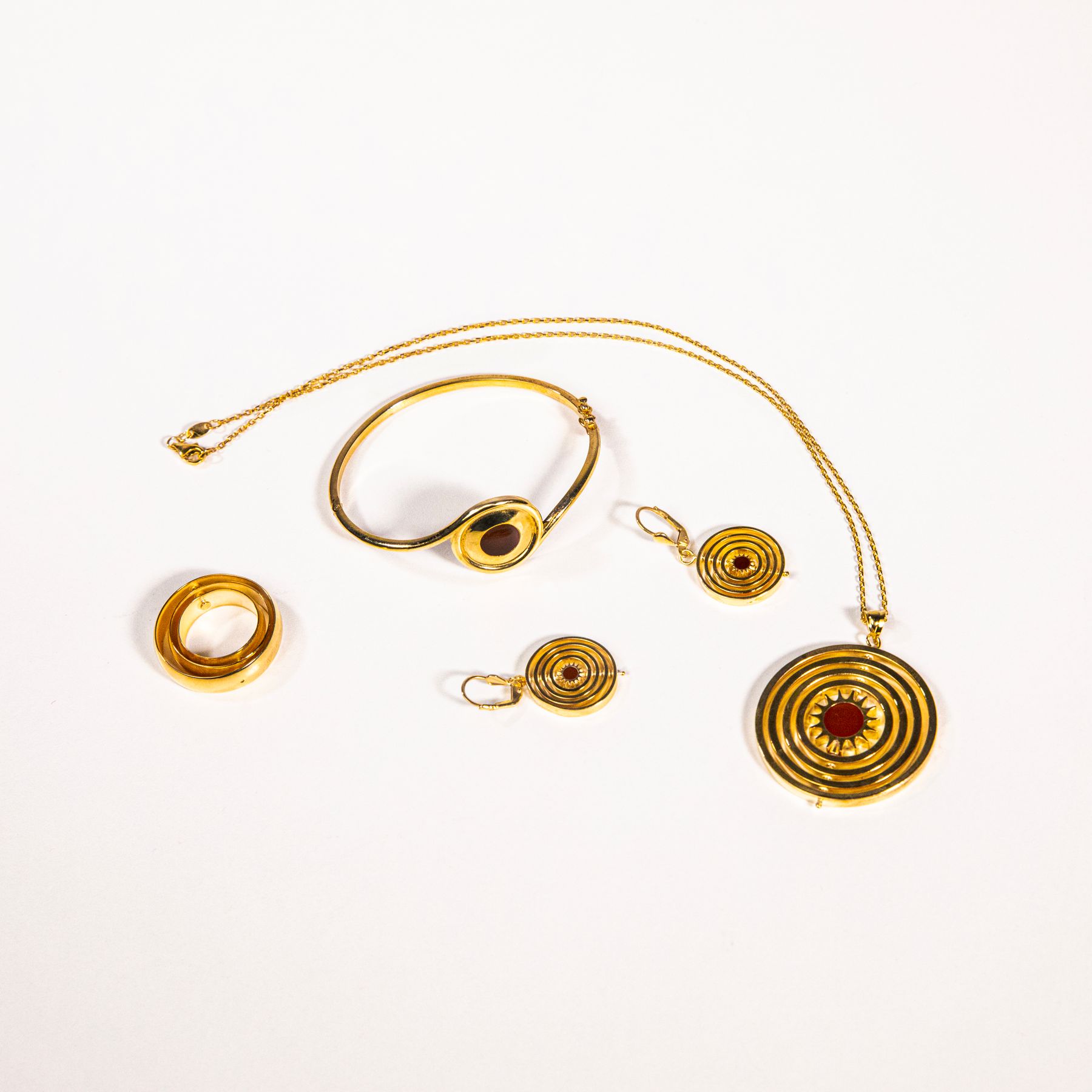
Necklaces have a remarkable ability to change the visual character of an outfit without requiring a complete wardrobe transformation. A carefully selected chain can make a simple shirt look polished, while a thoughtfully layered combination can add dimension to an otherwise understated ensemble. The secret is rarely about wearing the most elaborate piece available. Professional styling is usually about proportion, balance, material, color, neckline, and the relationship between jewelry and the rest of the outfit.
Understanding those relationships makes shopping more intentional. Instead of collecting pieces that look attractive individually but rarely work together, you can build a versatile jewelry wardrobe around a few dependable categories. A refined Jewelry & Accessories collection can include delicate everyday chains, distinctive pendants, longer silhouettes, pearls, mixed-metal pieces, and coordinated sets that serve different styling purposes.
Why Necklace Proportion Matters
Proportion is one of the most useful concepts in jewelry styling. Every necklace occupies a specific area around the face, neck, collarbone, and upper torso. Its visual weight also interacts with the scale of clothing, the width of a neckline, and the size of other accessories. When these elements are balanced, the result tends to look deliberate rather than accidental.
A short necklace generally draws attention toward the neck and collarbone. A medium-length pendant creates a vertical line that can complement open necklines. Longer necklaces introduce movement and can work especially well with simple tops, dresses, jackets, and layered outfits. None of these lengths is universally correct. Their effectiveness depends on the clothing and the visual effect you want to create.
For an understated wardrobe, a medium-scale necklace often provides exceptional flexibility. It can sit comfortably against a crew-neck shirt, complement an open blouse, or become part of a layered arrangement. When selecting a foundation piece, consider how many outfits it can serve rather than focusing exclusively on how impressive it looks in a jewelry box.
Gold tones tend to create warmth and visual richness, while silver-toned pieces often create a cooler, cleaner impression. This does not mean that one metal should be limited to particular seasons or complexions. Modern styling allows considerable freedom. The more important consideration is consistency: if you intentionally combine metals, repeat the combination elsewhere so that it appears designed rather than accidental.
Understanding Necklace Lengths
Necklace length is more than a numerical measurement. It determines where the piece sits and therefore where the eye is naturally directed. Different lengths also interact differently with collars, necklines, jackets, and layers. Knowing the basic categories makes it easier to choose pieces that perform specific styling roles.
| Necklace Style |
Typical Visual Position |
Best Styling Role |
Useful Pairings |
| Choker |
Close to the neck |
Modern, defined accent |
Open necklines, evening looks, minimal tops |
| Princess Length |
Around the upper chest |
Versatile everyday option |
Blouses, dresses, crew necks, open collars |
| Matinee Length |
Lower chest area |
Elegant vertical emphasis |
Business clothing, dresses, simple tops |
| Opera Length |
Lower torso |
Dramatic or sophisticated styling |
Formalwear, monochrome outfits, layered looks |
Shorter necklaces can be particularly effective when clothing has a clean neckline. They create a visual frame without competing with the garment. A longer piece, by contrast, can help introduce vertical movement. This is useful when the outfit is visually simple and needs a central point of interest.
Before purchasing a necklace, think about the necklines already present in your wardrobe. If most of your clothing features high necks, a longer pendant may provide greater versatility. If you frequently wear open collars and scoop necks, shorter or medium-length pieces may integrate more naturally.
Building a Reliable Everyday Necklace Collection
A practical collection does not need dozens of necklaces. It needs pieces that perform different functions. One understated chain can become a daily signature. Another can add color or texture. A pendant can introduce personality. A layered set can create a finished look quickly, while a pearl style can provide a more traditional option.
Foundation
Everyday Chain
Choose a refined chain that is comfortable enough for frequent wear and simple enough to work with several clothing styles.
Statement
Distinctive Pendant
A pendant provides a clear focal point without requiring a large or heavily decorated necklace.
Texture
Layering Piece
A fine chain can add depth when combined with another necklace while remaining visually light.
Classic
Timeless Necklace
A traditional design provides an elegant option for occasions where simplicity and familiarity are useful.
For a warm, classic foundation, a Classic Gold Necklace can serve as a dependable starting point. Its strength comes from versatility rather than complexity. It can be worn alone for a polished appearance or incorporated into a more contemporary layered arrangement.
A cool-toned alternative is a Sterling Silver Necklace. Silver offers a crisp visual quality and can pair naturally with neutral clothing, denim, black, white, cool gray, and many jewel tones. The key is to select a shape and scale that fit your regular wardrobe.
Choosing the Right Necklace for Your Neckline
The neckline is often the most immediate factor to consider when styling a necklace. Rather than memorizing rigid rules, think of the neckline and necklace as two shapes that should either complement one another or create deliberate contrast.
With a V-neck, a pendant that follows the downward direction of the neckline can reinforce the shape. A small pendant can create a subtle echo of the V, while a slightly longer pendant can emphasize vertical movement. Very busy necklaces may compete with a patterned or detailed neckline, so restraint is often useful.
A crew-neck top provides a relatively high horizontal boundary. A short necklace can sit just above or near the neckline, while a longer pendant can break through the visual block and create a vertical center line. This makes medium and long pendants particularly useful when the shirt itself is simple.
Boat necks expose more shoulder area and create a broad horizontal line. In that situation, a delicate short necklace may look refined, while a long pendant can create contrast. If the garment already contains strong decorative details, the necklace should usually be quieter.
Open shirts and blouses create excellent opportunities for layered styling. A short chain can sit near the collarbone while a second necklace falls below it. The open space created by the shirt becomes a natural frame, allowing multiple pieces to remain visible without feeling crowded.
Turtlenecks can support longer necklaces exceptionally well. A pendant placed over the fabric creates contrast and gives the outfit a central focal point. Chunkier chains can also work, especially when the rest of the clothing is minimalist and monochromatic.
The Art of Minimalist Necklace Styling
Minimalism in jewelry does not mean choosing the smallest item possible. It means making every element purposeful. A minimalist necklace can have a noticeable presence when its proportions, finish, and placement are carefully chosen.
A Minimalist Pendant Necklace is particularly useful because it creates a focal point while keeping the overall appearance controlled. Look for clean shapes, balanced proportions, and a pendant that is visually distinct without overwhelming the wearer.
Minimalist jewelry is also valuable because it transitions easily between casual and professional environments. A simple pendant can accompany a white shirt during the day and remain appropriate with a tailored jacket in the evening. This adaptability is one reason understated jewelry remains relevant across changing fashion trends.
When building a minimalist look, resist the temptation to add an accessory simply because there is available space. Negative space is part of the design. A necklace can look more sophisticated when it has room around it rather than being surrounded by competing chains, bracelets, patterns, and embellishments.
Layering Necklaces Without Creating Visual Clutter
Layering is one of the most effective ways to make a jewelry collection feel larger and more versatile. However, successful layering depends on contrast and hierarchy. If every necklace has the same length, thickness, pendant size, and texture, the pieces can visually merge into one another.
A strong layered arrangement usually includes variation. One chain might be extremely fine, another moderately substantial, and a third might include a pendant. Different lengths allow each piece to occupy its own visual territory. The result should feel like a coordinated composition rather than a collection of necklaces worn simultaneously.
A Layered Necklace Set can simplify this process because the pieces are designed to work together. Coordinated sets can be especially useful for people who want the visual impact of layering without spending time experimenting with individual combinations.
When creating your own combination, begin with the finest necklace. Add a second piece with a different length and slightly stronger presence. If necessary, add a third piece that creates a clear focal point. Stop when the arrangement has enough contrast to be readable from a normal viewing distance.
Professional styling tip: When several necklaces overlap, check them while standing rather than only while looking down. The arrangement should remain visually separated when viewed from normal conversational distance.
Layering also works best when the clothing underneath is relatively controlled. A simple knit, plain blouse, solid T-shirt, or uncomplicated dress provides an effective background. If the garment already contains heavy patterns, ruffles, embroidery, or dramatic hardware, fewer necklaces may create a more polished result.
Mixing Gold and Silver Jewelry
Mixed-metal jewelry has become a practical styling approach because it allows greater flexibility across an existing collection. You do not necessarily need to choose between warm and cool metals. Instead, create a visual bridge between them.
The easiest method is to use one mixed-metal item as the connector. Another approach is to repeat both metals in different parts of the outfit. For example, a gold necklace can be paired with silver earrings if a bracelet or watch introduces another relationship between the finishes.
Consistency is more important than strict uniformity. Random combinations may look disconnected, while intentional repetition makes mixed metals feel cohesive. Consider metal color as part of the overall outfit palette rather than treating it as an isolated decision.
Mixed-metal styling can also make a jewelry wardrobe more efficient. If your collection includes both gold and silver pieces, learning to combine them means fewer items become “orphan” accessories that only work with one narrow group of other pieces.
How Pendant Design Changes the Look
Pendants carry significant visual influence because they create a clear focal point. Their shape, size, material, and placement can change the mood of the necklace even when the chain itself remains simple.
Small geometric pendants often communicate modern simplicity. Circular shapes can appear soft and balanced. Rectangular or linear designs may create a more architectural impression. Organic shapes can introduce movement and visual warmth.
Large pendants can become statement pieces, especially when worn against plain clothing. They should generally have enough space around them to remain visible. If a large pendant is placed over a busy print, its shape may become difficult to appreciate.
Small pendants are often more versatile. They can be worn with other jewelry without dominating the composition. For daily use, a modest pendant may provide more styling opportunities than a dramatic statement piece.
The Enduring Appeal of Pearl Necklaces
Pearls occupy a unique position in jewelry styling because they combine softness, structure, tradition, and contemporary potential. Their appearance can range from formal to relaxed depending on length, size, setting, and the clothing worn with them.
A Pearl Necklace can be styled traditionally with formal clothing, but it can also work with modern garments. Pairing pearls with a simple shirt, knitwear, denim, or clean tailoring can create contrast between classic jewelry and contemporary clothing.
The scale of pearls matters. Smaller pearls can feel delicate and understated, while larger pearls naturally attract more attention. The necklace length also influences whether the overall effect feels traditional, modern, romantic, or dramatic.
When styling pearls, consider the rest of the jewelry carefully. Pearls already provide texture and luminosity, so additional accessories do not always need to be equally prominent. A simple bracelet or restrained earrings can allow the necklace to remain the primary visual element.
Necklace Styling for Professional Outfits
Professional clothing benefits from jewelry that looks intentional without creating distraction. The ideal choice depends on the workplace, the clothing style, and the level of formality expected.
With tailored shirts, simple chains and modest pendants can create a polished appearance. If the shirt has a structured collar, a necklace should not fight for space with it. A pendant worn beneath an open collar can introduce a subtle focal point while maintaining a clean silhouette.
For blazers, medium-length necklaces often work well because they remain visible above a shirt or blouse. Longer necklaces can also complement a monochromatic suit, especially when they introduce a controlled vertical line.
In professional environments, jewelry scale is often more important than jewelry price. A well-proportioned necklace in a simple design can appear more sophisticated than an elaborate piece that overwhelms the outfit.
Those interested in exploring coordinated collections can also browse Jewelry & Accessories Brands and compare different design directions before choosing pieces for a professional wardrobe.
Styling Necklaces for Casual Clothing
Casual outfits provide considerable freedom because the objective is often to add personality rather than strict formality. A simple T-shirt can become more refined with a delicate chain, while a relaxed shirt can support several layered pieces.
Denim is especially adaptable. Gold jewelry can add warmth and polish to blue denim, while silver jewelry can create a sharper, cooler contrast. Pearls can introduce an unexpected classic element, particularly when the rest of the outfit is deliberately relaxed.
For casual dressing, avoid assuming that every outfit needs a statement necklace. Sometimes a single fine chain is enough. The goal is to create a visual detail that feels integrated with the clothing rather than adding decoration for its own sake.
Choosing Jewelry According to Occasion
Different occasions create different styling priorities. Everyday jewelry should emphasize comfort, versatility, and ease. Evening jewelry can introduce greater shine, scale, or contrast. Formal events may call for classic materials and more deliberate coordination.
| Occasion |
Recommended Direction |
Styling Priority |
| Daily Wear |
Fine chain or small pendant |
Comfort and versatility |
| Office |
Medium necklace or refined pendant |
Professional proportion |
| Weekend |
Layered chains or relaxed pendant |
Personality and texture |
| Evening |
Statement pendant or polished chain |
Contrast and visual presence |
| Formal Event |
Pearls or refined classic design |
Balance and elegance |
Occasion-based styling does not mean maintaining completely separate jewelry collections. The same necklace can often serve multiple settings when combined with different clothing and accessories. This is another reason versatile designs provide strong value.
Creating a Signature Jewelry Style
A signature jewelry style is not necessarily defined by one specific necklace. It can be a recurring visual language: fine gold chains, understated silver, pearls, geometric pendants, layered pieces, or a combination of these elements.
Start by identifying which jewelry you naturally reach for. Examine whether you prefer warm or cool metals, short or long necklaces, polished or textured surfaces, delicate or substantial designs. Patterns in these choices can help you create a more intentional collection.
A signature style also benefits from repetition. If you consistently wear a particular necklace length, people may begin to associate that silhouette with your personal appearance. Repetition can make a wardrobe feel more coherent even when individual outfits change.
Jewelry and Color Coordination
Color coordination is another practical consideration. Jewelry does not have to match clothing exactly. In many cases, contrast is what makes the accessory visible. However, the intensity and temperature of the colors can influence how the metal or gemstones appear.
Gold tones often complement warm neutrals such as beige, cream, camel, brown, olive, and warm earth colors. Silver can work naturally with black, white, gray, blue, and other cool shades. These are useful starting points rather than rigid rules.
Colored stones introduce another dimension. A necklace with a strong gemstone color can become the central accent of an otherwise neutral outfit. When the clothing is already colorful, a quieter necklace may preserve balance.
Neutral outfits are particularly useful for displaying jewelry because the accessories become the primary points of visual interest. This makes simple black, white, cream, gray, and denim pieces excellent companions for a varied jewelry collection.
How to Combine Necklaces With Earrings
Necklaces and earrings should be considered together because they occupy adjacent areas of the visual field. If both are highly elaborate, the face and neckline can become visually crowded.
When wearing a statement necklace, simpler earrings often create balance. Conversely, delicate necklaces can allow more expressive earrings to take the lead. The objective is not to make every accessory equally noticeable.
Another effective approach is to repeat one characteristic. If the necklace has a geometric shape, earrings with a similar geometric language can connect the pieces. If the necklace has a delicate finish, understated earrings can maintain the same level of visual refinement.
Combining Necklaces With Bracelets and Rings
Jewelry styling works best when the entire collection feels connected. Bracelets and rings can repeat the same metal, texture, shape, or design language used in a necklace.
This does not mean everything must be identical. In fact, exact matching can sometimes look overly coordinated. Instead, think in terms of relationships. A polished gold necklace can coexist with a textured gold bracelet if the color and scale feel compatible.
Rings can be especially useful when creating a balanced mixed-metal look. A silver necklace and gold bracelet can be visually connected through a ring that incorporates both tones. Small bridges like this can make a diverse jewelry collection feel intentional.
Practical Jewelry Care for Daily Wear
Good styling begins with good condition. Even beautiful jewelry loses impact when it is scratched, tangled, dull, or poorly stored. Simple care habits can help preserve the appearance of frequently worn pieces.
Store necklaces separately whenever possible. Fine chains can tangle easily when placed together in a single compartment. Individual hooks, small pouches, or divided organizers make it easier to retrieve pieces without pulling on delicate chains.
Keep jewelry away from unnecessary moisture and harsh household chemicals. Follow the care recommendations appropriate to the material. Different metals, finishes, stones, and decorative components may require different cleaning methods.
Before storing a necklace, check the clasp and chain for signs of damage. Early inspection can help prevent an unexpected breakage. If a piece contains delicate details, handle it gently rather than pulling through a knot with force.
Professional Jewelry Care Checklist
- Store delicate necklaces separately.
- Keep chains untangled and lightly secured.
- Inspect clasps periodically.
- Follow material-specific cleaning instructions.
- Avoid exposing jewelry unnecessarily to harsh substances.
- Keep frequently worn pieces in an accessible but protected location.
- Clean jewelry gently rather than using excessive pressure.
How to Build a Capsule Necklace Collection
A capsule collection focuses on versatility. Instead of purchasing many similar necklaces, select a small group that covers different visual roles. A practical capsule might include a classic chain, a minimalist pendant, a layered combination, a pearl necklace, and one more distinctive statement design.
The classic chain acts as the foundation. The minimalist pendant provides personality. The layered combination offers texture. Pearls introduce traditional elegance. The statement piece provides a stronger option for occasions when the outfit requires additional visual impact.
Such a collection can support many combinations without becoming difficult to manage. Each piece has a clear purpose, and several pieces can overlap in function without being identical.
How to Shop More Intentionally
Before buying a new necklace, ask what role it will play. If you already own three similar fine gold chains, another nearly identical piece may add less value than a pendant or longer necklace that expands your styling options.
Examine the necklace against your existing wardrobe rather than evaluating it only by itself. A beautiful necklace that does not work with your clothing may spend most of its time stored away.
Consider frequency of wear as well. A versatile necklace worn several times each month can be more useful than an elaborate piece reserved for a rare occasion. This does not mean special jewelry has no value; it means that every purchase should have a clear place in your personal styling system.
Common Necklace Styling Mistakes
One common mistake is choosing necklace length without considering the neckline. Another is combining too many visually similar chains. A third is allowing every accessory to compete for attention.
Another frequent issue is ignoring scale. A very delicate necklace may disappear against a heavily textured garment, while a large pendant may dominate a simple outfit. Neither outcome is automatically wrong, but both should be intentional.
People also sometimes select jewelry according to trends without considering personal consistency. Trends can provide inspiration, but a piece should still make sense within the broader wardrobe. A timeless collection can incorporate current details without depending entirely on them.
Finally, avoid assuming that expensive-looking styling requires a large number of accessories. Refined outfits often rely on restraint, careful proportions, and quality-looking presentation rather than excessive decoration.
Using Texture to Add Depth
Texture is an underrated part of necklace styling. A smooth polished chain reflects light differently from a hammered, twisted, beaded, or brushed surface. Combining different textures can make a layered look more dynamic even when the metal color remains identical.
For a subtle arrangement, combine one textured chain with one smooth chain. For a stronger composition, add a pendant with a contrasting surface. Texture can be particularly useful when clothing is monochromatic because the jewelry introduces visual variation without relying on bright color.
Necklaces as a Personal Styling Tool
The most successful jewelry wardrobes are usually built around the wearer's lifestyle. Someone who dresses in tailored clothing may prioritize refined chains and elegant pendants. Someone with a casual wardrobe may prefer layered necklaces, relaxed textures, and versatile pieces.
The objective is not to reproduce someone else's jewelry style exactly. Professional styling principles are most useful when they help you understand why an arrangement works and then adapt those principles to your own clothing.
Jewelry should make getting dressed easier, not more complicated. A well-planned collection gives you reliable choices for ordinary days while still providing enough variety for occasions that require something more distinctive.
Specifications and Features to Consider Before Buying
| Feature |
What to Examine |
Why It Matters |
| Length |
Where the necklace sits on the body |
Determines neckline compatibility and visual direction |
| Chain Thickness |
Fine, medium, or substantial construction |
Controls visual weight and layering potential |
| Metal Finish |
Polished, brushed, textured, or mixed |
Influences how light and texture appear |
| Pendant Size |
Small, medium, or statement |
Determines focal strength |
| Closure |
Clasp style and usability |
Affects everyday convenience |
| Versatility |
Number of outfits and occasions supported |
Helps create a practical wardrobe |
| Layering Compatibility |
Ability to pair with other lengths |
Expands styling possibilities |
Frequently Asked Questions About Necklace Styling
FAQ 01
What necklace length is most versatile?
A medium or princess-length necklace is often highly versatile because it can work with many necklines, including open shirts, dresses, and simple tops. The ideal choice still depends on your wardrobe and preferred silhouette. Explore Jewelry & Accessories collections to compare different styles and lengths.
FAQ 02
Is a classic gold necklace suitable for everyday wear?
Yes. A simple gold necklace can work as a daily foundation when its size and design are comfortable and compatible with your clothing. A Classic Gold Necklace can be worn alone or used as the starting point for a layered arrangement.
FAQ 03
When should I choose a sterling silver necklace?
Sterling silver can be a strong choice when you prefer cool-toned jewelry or frequently wear colors such as black, white, gray, and blue. A Sterling Silver Necklace can also provide contrast against warm clothing.
FAQ 04
How many necklaces should I layer?
There is no universal number. Two necklaces can create a refined layered effect, while three can provide more depth if their lengths and visual weights are clearly separated. A coordinated Layered Necklace Set can simplify the process.
FAQ 05
Can a minimalist pendant be worn with other necklaces?
Yes. A Minimalist Pendant Necklace can work especially well as a focal point in a layered arrangement. Pair it with a shorter fine chain or a longer simple chain to create separation.
FAQ 06
Are pearl necklaces only appropriate for formal occasions?
No. Pearls can be styled with casual clothing as well as formal outfits. A Pearl Necklace can create an interesting contrast when paired with denim, simple knitwear, or contemporary tailoring.
FAQ 07
Can gold and silver necklaces be worn together?
Yes. Mixed-metal styling can look intentional when there is a visual connection between the pieces. Repeating both metals through bracelets, rings, watches, or other accessories can help unify the combination.
FAQ 08
What necklace works well with a V-neck?
A pendant that follows the downward direction of a V-neck can reinforce the neckline's shape. The pendant should have enough room to remain visible without competing with the garment's details.
FAQ 09
How can I make a simple outfit look more polished?
Adding one well-proportioned necklace can create a focal point without requiring a complete outfit change. A coordinated jewelry collection from Jewelry & Accessories Brands can provide different options for everyday and occasion-based styling.
FAQ 10
Should my necklace match my earrings?
They do not need to match exactly. Instead, consider repeating one characteristic such as metal tone, shape, finish, or visual weight. This creates harmony without making the jewelry look overly coordinated.
FAQ 11
What is the best necklace for a high neckline?
Longer necklaces and pendants can work effectively over high-neck clothing because they create a vertical line across the fabric. The simplicity of the clothing should guide how substantial the necklace can be.
FAQ 12
How should delicate necklaces be stored?
Fine necklaces should ideally be stored separately to reduce tangling. Individual compartments, hooks, or pouches can make delicate chains easier to access while helping protect them from unnecessary friction.
A Practical Selection Framework for Every New Necklace
When evaluating a new necklace, begin with the wardrobe rather than the product itself. Think about the shirts, dresses, jackets, and colors you already wear most frequently. Then consider whether the necklace fills a genuine gap or simply duplicates something you already own.
Next, examine the necklace's length. Ask where it will sit against your most common necklines. Consider whether the chain can be worn alone and whether it can be layered with another piece. A necklace that succeeds in both situations generally offers greater styling flexibility.
Then consider visual weight. A very fine necklace is excellent for subtle styling and layering. A medium chain can become a reliable daily signature. A heavier design may provide stronger visual impact but could have fewer applications.
Finally, evaluate the design language. Does it feel modern, classic, romantic, geometric, minimal, or expressive? Understanding this makes it easier to predict whether the piece will integrate with your existing accessories.
Creating More Outfits With Fewer Pieces
The real advantage of thoughtful jewelry styling is multiplication. A small number of necklaces can create many different appearances when their combinations are planned carefully.
For example, a fine chain can be worn alone for minimal styling, paired with a pendant for additional focus, or combined with a longer necklace for layered depth. A classic gold necklace can shift from casual to professional depending on the clothing. A pearl necklace can move from traditional to contemporary when paired with modern basics.
This approach encourages intentional shopping. Instead of asking whether a necklace is beautiful in isolation, ask how many styling combinations it can create. That question changes the way a collection develops and often results in a more useful assortment of jewelry.
Daily Styling Routine for a Polished Necklace Look
Start with the neckline. Identify the shape and amount of visible skin or fabric around the upper chest. Then select the necklace length that creates the most natural relationship with that shape.
Next, decide whether the necklace should be the focal point. If the outfit contains strong prints, decorative collars, or statement earrings, a quieter necklace may provide better balance. If the outfit is simple, a pendant or layered combination can introduce additional interest.
Check the jewelry from a normal standing distance. This is especially important for layered pieces because necklaces that look separate when viewed close up may visually merge when seen from several feet away.
Finally, consider comfort. Jewelry that constantly catches on clothing, feels too heavy, or requires frequent adjustment will probably be worn less often. Comfort is therefore a practical component of good styling, not merely a personal preference.
The Value of Timeless Design
Fashion changes quickly, but certain necklace principles remain dependable: balanced proportions, clean craftsmanship, versatile lengths, comfortable construction, and designs that complement rather than overwhelm clothing.
Timeless design does not mean old-fashioned. It means the necklace can remain useful even as clothing trends change. A simple chain, restrained pendant, elegant pearl design, or carefully proportioned layered combination can continue to work across different seasons and styles.
The strongest jewelry collections often combine timeless foundations with a few current details. This creates room for experimentation without making the entire wardrobe dependent on short-lived trends.
Final Styling Checklist for a Professional Jewelry Wardrobe
- Choose necklace lengths according to the necklines you wear most often.
- Maintain a balance between delicate, medium, and statement pieces.
- Use pendants to create intentional focal points.
- Layer necklaces with different lengths and visual weights.
- Mix metals deliberately when the overall outfit supports it.
- Use pearls for both traditional and contemporary styling.
- Coordinate necklaces with earrings without requiring exact matching.
- Consider the complete outfit rather than judging jewelry in isolation.
- Store necklaces carefully to reduce tangling and unnecessary wear.
- Prioritize versatility when expanding an everyday collection.
- Allow negative space so individual pieces remain visually clear.
- Select accessories that reflect your actual lifestyle and wardrobe.
A well-styled necklace does more than decorate an outfit. It establishes proportion, introduces texture, creates a focal point, and can connect separate elements into one coherent appearance. Whether the choice is a delicate chain, a classic gold design, a sterling silver piece, a minimalist pendant, a layered arrangement, or a pearl necklace, the most effective approach is to consider how the accessory interacts with the complete look.
With a clear understanding of length, neckline, scale, color, texture, layering, and occasion, jewelry becomes much easier to style. Instead of relying on complicated rules, you can make deliberate choices based on the visual relationships already present in your wardrobe. That approach creates a collection that is easier to wear, easier to combine, and capable of producing polished looks across everyday, professional, casual, and formal settings.

Comments
Post a Comment